Good News: Plastics Are Evolving
Innovation, sustainability, and new careers are shaping the future of materials.
Plastics are no longer just about production — they’re about data, design, automation, and problem-solving. And the workforce behind them is changing fast.
Plastics Are Changing — Fast!
For decades, plastics were viewed as a problem to manage.
Today, they’re becoming a solution to some of our biggest challenges.
Modern plastics innovation focuses on:
- Lightweighting and material efficiency
- Recyclability and circular design
- Reduced energy use and emissions
- Smarter manufacturing processes
This shift isn’t theoretical, it’s happening right now in Canadian manufacturing plants, labs, and classrooms.
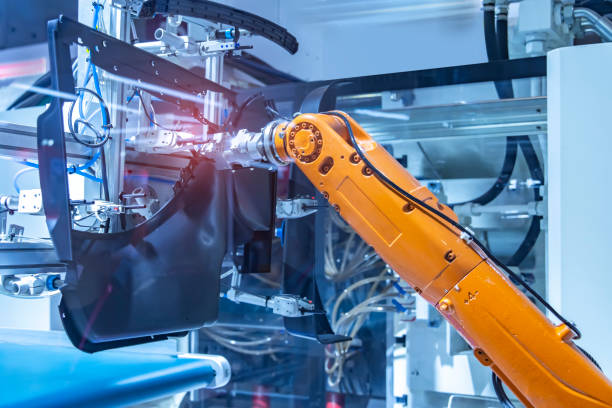
AI Is Powering the Next Generation of Plastics
Artificial intelligence is transforming how plastics are designed, produced, and reused.
AI is being used to:
- Predict material performance before anything is produced
- Optimize production lines and reduce waste
- Improve quality control and consistency
- Design new polymer blends and sustainable alternatives
Instead of replacing people, AI is augmenting human skills — making work safer, smarter, and more efficient.
AI Is Creating New Jobs
AI Isn’t Taking Jobs — It’s creating Them
As plastics manufacturing becomes more advanced, new roles are emerging across the industry.
We’re seeing growing demand for:
- Automation and robotics technicians
- Data and process analysts
- Quality and sustainability specialists
- AI-enabled machine operators
- Maintenance, tooling, and advanced manufacturing roles
These are hands-on, high-skill careers that didn’t exist a generation ago — and they’re growing fast.
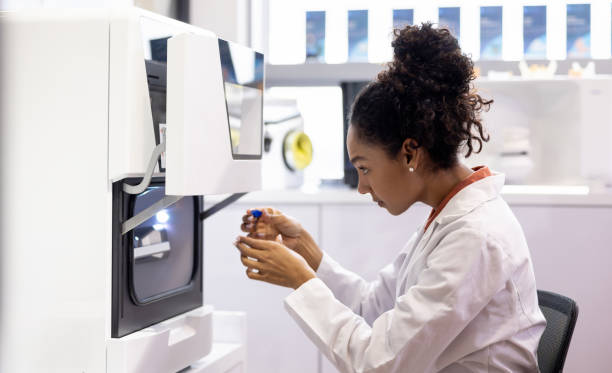
Why This Matters for Students & Workers
New Skills. New Careers. Real Opportunity.
As plastics manufacturing becomes more advanced, new roles are emerging across the industry.
The future plastics workforce blends:
Technical trades
- Digital literacy
- Problem-solving and systems thinking
You don’t need to be a coder to work alongside AI — you need the right training, exposure, and industry connection.
Why AceConnex events are important.

Where AceConnex fits In
Connecting Innovation to People
AceConnex exists to bridge the gap between:
Digital literacy
- Industry innovation
- Education and training
- The next generation of workers
By bringing employers, educators, students, and policymakers into the same room, we help ensure that:
- Innovation leads to employment
- Skills match real industry needs
- The plastics sector remains competitive, sustainable, and future-ready

The future of plastics isn’t just about materials — it’s about people, skills, and opportunity.
How Much Plastic Do We Use?
One reason people criticize plastics is because of the perception that we use too much in the way of materials and we need to cut back. It is true that we are a wasteful society and that we should reduce our use of materials. How much does plastic contribute to our use of materials? The answer may surprise you…
1% – Plastics Mainly PE, PP, PVC, PET
6% – Metals, mainly steel
9% – Natural, mainly woods
84% – Ceramics, mainly concrete
Source *** Materials and the Environment: Eco-informed Material Choice 1st Edition by Michael F. Ashby (Author)
By design resusable totes, pallets…
dunnage, metal racks and bulk systems are used over and over during the course of their service life. At the end of their life, they can be recovered, recycled and reprocessed into new packaging products…without entering the solid waste stream. (https://www.orbiscorporation.com/en-us/about-orbis/sustainability-commitment/)
Fully recyclable polymers,…
such as PET, play a critical role in supporting 8 billion people globally with containers for essentials including food, water, and medicine – and have a lower carbon footprint* than their aluminum or glass counterparts. With the implementation of well-functioning systems for recycling, recyclable polymers such as PET thrive as a highly sustainable solution to foster a circular economy. (https://www.husky.co/globalassets/Husky-ESG-2022-Report.pdf)
100% of Husky Technologies…
packaging solutions revenue will enable the production of reusable, recyclable or compostable packaging by 2025, aligned with Ellen MacArthur Foundation targets. (https://www.husky.co/globalassets/Husky-ESG-2022-Report.pdf)
PET (Polyetheylene Terephthalate) …
is the most recycled plastic globally. (https://www.husky.co/globalassets/Husky-ESG-2022-Report.pdf)
Did you know…
PET (polyethylene terephthalate) is one of the most environmentally friendly materials to help solve the problem of plastics pollution now and in the future. It is inert, medical-grade, infinitely recyclable and product-reusable. (https://www.husky.co/globalassets/Husky-ESG-2022-Report.pdf)